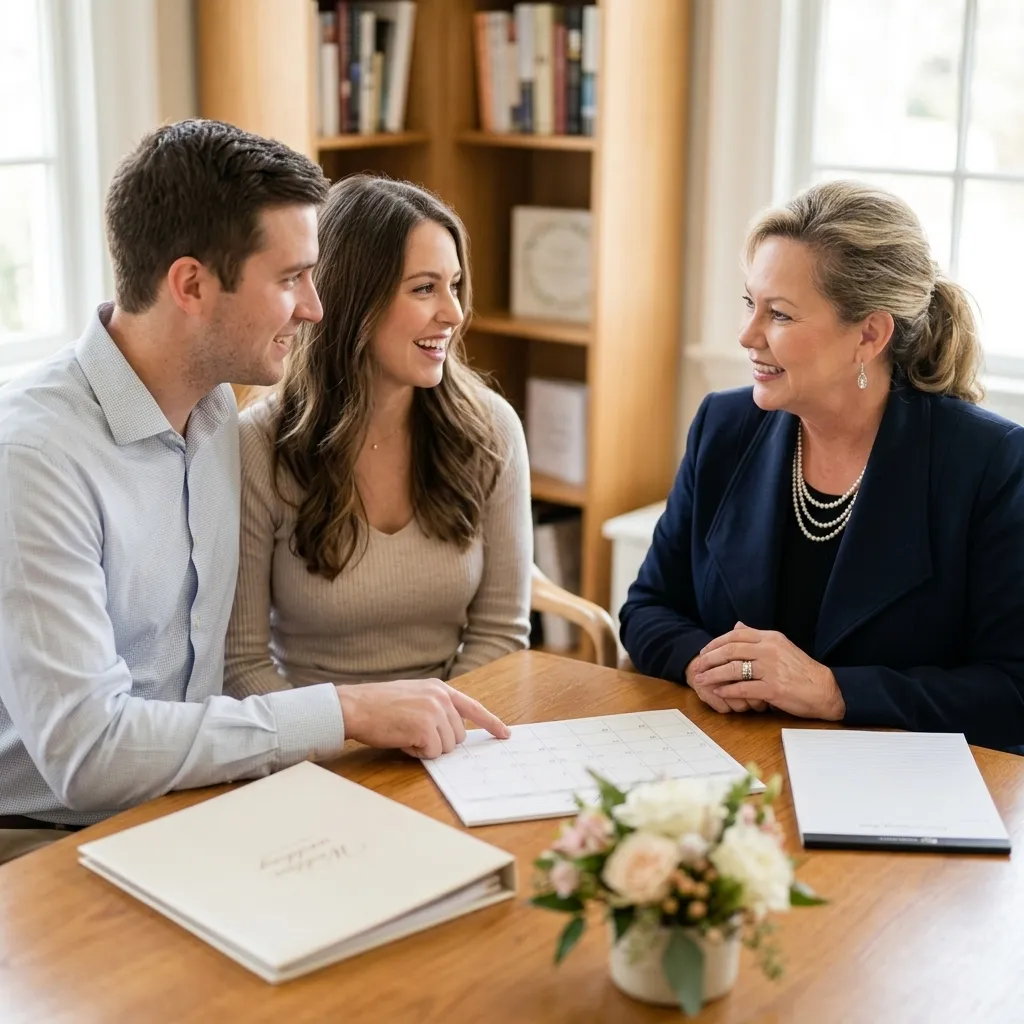
Couples should generally begin looking for a Virginia wedding officiant six to twelve months before the wedding. Popular Saturdays, spring and fall dates, destination venues and highly personalized ceremonies may require earlier booking.
Small weekday ceremonies and elopements may need less planning time, but availability is never guaranteed. Even when your ceremony will be short, the person legally marrying you and guiding the most meaningful part of the day should not be left until the bottom of the checklist.
Planning a wedding in Virginia? Contact Kathleen Ayers at (540) 395-6488 to check your date and begin creating a ceremony that reflects your relationship.
How Far in Advance Should You Book a Wedding Officiant?
The ideal booking time depends on the wedding date, location, ceremony style and amount of personalization required.
Use this table as a general planning guide:
| Ceremony Type | Suggested Time to Begin Looking |
|---|---|
| Large Saturday wedding | 9–12 months ahead |
| Popular spring or fall wedding | 9–12 months ahead |
| Personalized ceremony with rehearsal | 6–9 months ahead |
| Destination or long-distance Virginia wedding | 6–12 months ahead |
| Small wedding or micro-wedding | 3–6 months ahead |
| Weekday civil ceremony | 1–3 months ahead |
| Elopement or simple legal ceremony | As early as possible |
| Short-notice wedding | Call immediately to ask about availability |
These are recommendations, not guarantees. An officiant may already be booked, or a closer date may still be available.
The only reliable way to know is to ask.
Why Your Officiant Should Be Booked Early
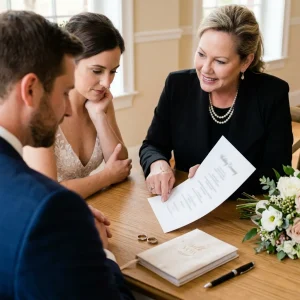
Couples often reserve the venue, photographer, caterer and florist before thinking seriously about the officiant. Yet the officiant is the person who:
- Legally solemnizes the marriage
- Guides the ceremony
- Establishes its emotional tone
- Helps organize the ceremony structure
- Assists with vows and readings
- Coordinates important cues
- Completes the marriage documents
- Keeps the ceremony moving naturally
- Helps calm nerves and handle unexpected moments
Flowers make the setting beautiful. Music creates atmosphere. Photography preserves the memory. But the officiant leads the moment when two people actually become married.
That role deserves more than a frantic phone call the week before the wedding.
Popular Virginia Wedding Dates Book Quickly
Virginia wedding demand tends to increase during spring and fall, when couples are drawn to gardens, vineyards, historic estates and mountain views.
Dates may fill more quickly when they fall during:
- April, May and June
- September, October and early November
- Holiday weekends
- Three-day weekends
- Dates with memorable numbers
- Peak fall-foliage periods
- Popular local festivals or events
Saturday afternoon and evening ceremonies are typically the most requested. If your wedding date is fixed and falls during a popular season, begin contacting officiants as soon as the venue is confirmed.
Couples with flexibility may find more options on:
- Fridays
- Sundays
- Weekdays
- Mornings
- Early afternoons
- Off-season dates
A less traditional date does not make the marriage less meaningful. It may simply make planning easier—and occasionally less expensive across multiple vendors.
Should You Book the Venue or Officiant First?
Most couples secure the venue first because it determines the wedding date and location. The officiant should follow shortly afterward.
A practical order is:
- Establish the approximate budget.
- Choose the wedding style and guest count.
- Reserve the venue and date.
- Contact the officiant.
- Secure other ceremony and reception professionals.
If a particular officiant is especially important to you, contact that person before signing the venue contract. Coordinating both calendars can prevent disappointment.
This may be especially helpful when:
- You already know the officiant you want
- You need a particular religious or cultural ceremony
- You want a highly personalized service
- You are planning during peak season
- Your preferred date has special meaning
- Your venue offers only limited ceremony times
When to Book for a Personalized Ceremony
A custom ceremony requires more preparation than reading a generic script.
The officiant may need time to:
- Meet with the couple
- Learn their love story
- Understand their values and beliefs
- Discuss the desired tone
- Develop the ceremony structure
- Help with personal vows
- Select or review readings
- Incorporate family members
- Blend religious or cultural traditions
- Plan unity rituals
- Coordinate with the wedding planner
- Prepare for the rehearsal
- Revise and polish the final ceremony
For a ceremony built around your relationship, booking six to nine months ahead provides useful planning time. A longer timeline may be appropriate for a complex ceremony or a highly requested date.
Kathleen Ayers creates personalized ceremonies that may be romantic, traditional, spiritual, secular, lighthearted or family-centered. Beginning early allows the process to feel reflective rather than rushed.
When to Book an Officiant for an Elopement
Elopements usually require less planning than large weddings, but couples still need:
- A valid Virginia marriage license
- A legally authorized officiant
- A ceremony date and location
- Permission to use the chosen location when required
- A weather plan for outdoor ceremonies
- Any desired photography arrangements
Contacting an officiant one to three months ahead is sensible when possible. For a popular weekend, scenic location or fall date, begin earlier.
Short-notice elopements may be possible, but availability should never be assumed.
If you want to marry soon, contact Kathleen immediately with:
- Your preferred date
- A second-choice date
- Desired time
- Ceremony location
- Number of guests
- Type of ceremony
- Whether you already have the license
- How much personalization you want
The more complete the information, the faster an officiant can determine whether the ceremony can be accommodated.
When to Book for a Micro-Wedding
A micro-wedding may include only a small group of guests, but it often contains the same meaningful elements as a larger celebration.
Couples may still want:
- Personal vows
- Family participation
- Readings
- A processional
- Ring exchange
- Unity ritual
- Live music
- Professional photography
- A rehearsal
Begin searching three to six months ahead, or earlier for peak-season weekends.
Small does not mean unimportant. A ten-person ceremony can require just as much emotional care as one attended by 200 people.
When to Book for a Large Wedding
For a large Saturday wedding, begin looking for an officiant nine to twelve months ahead.
Larger weddings often involve more coordination among:
- The officiant
- Wedding planner
- Venue coordinator
- Musicians or DJ
- Photographer
- Videographer
- Wedding party
- Readers
- Family members
- Ceremony participants
The officiant must understand the ceremony sequence, entrances, transitions, vows, rings, special rituals and recessional.
Additional planning time helps everyone understand the ceremony before the wedding day.
Do You Need an Officiant for the Rehearsal?
Not every ceremony requires the officiant to attend the rehearsal.
An officiant may be especially useful when the ceremony includes:
- A large wedding party
- Young children
- Multiple readings
- Cultural or religious rituals
- Blended-family elements
- Complicated entrances
- Unusual venue layouts
- A unity ceremony
- Several participating relatives
- Specific timing requirements
The officiant’s role at the rehearsal should be discussed before booking. Confirm whether rehearsal attendance is included, available as an additional service or handled by the planner or venue coordinator.
If you want your officiant present, check both the wedding date and rehearsal date before finalizing the agreement.
Destination Weddings Within Virginia
Virginia offers mountain overlooks, vineyards, beaches, historic estates, gardens, inns and countryside venues. An officiant may be authorized to perform ceremonies throughout Virginia, but travel still requires planning.
For a destination wedding, contact the officiant six to twelve months ahead.
Discuss:
- Venue address
- Ceremony time
- Travel distance
- Rehearsal date
- Lodging when needed
- Parking and venue access
- Outdoor-weather backup
- Travel expenses
- Arrival expectations
- Ceremony-day contact person
Kathleen is authorized to perform marriages throughout the Commonwealth, subject to availability and travel arrangements.
Blended-Family Ceremonies Need Thoughtful Planning
When one or both partners have children, the ceremony may include language recognizing the family being created.
Possible elements include:
- Promises to the children
- Family vows
- A unity ritual
- Presentation of keepsakes
- A family blessing
- Children participating in readings
- Recognition of each child by name
These moments should be developed carefully. Children should feel included without being placed under uncomfortable emotional pressure.
Booking early gives the couple and officiant time to discuss family relationships and create language appropriate for everyone involved.
Interfaith and Multicultural Ceremonies
Ceremonies combining faiths, cultures or family traditions may require additional conversations and research.
The officiant may need to help the couple:
- Identify essential traditions
- Balance two belief systems
- Explain rituals to guests
- Select readings
- Include multiple languages
- Respect family expectations
- Avoid language that does not represent the couple
- Create a unified ceremony rather than two disconnected halves
Begin looking for an officiant at least six to nine months ahead, and earlier when the ceremony is complex.
The right officiant will listen carefully rather than making assumptions about what either family believes.
LGBTQ+ Wedding Ceremonies
Every couple deserves an officiant who respects the relationship, uses the correct names and pronouns and creates ceremony language that feels authentic.
Before booking, ask whether the officiant:
- Welcomes LGBTQ+ couples
- Personalizes ceremony language
- Avoids unnecessary gender assumptions
- Honors the couple’s preferred titles
- Respects family dynamics
- Understands the tone the couple wants
Virginia law recognizes lawful marriages regardless of the sex, gender or race of the parties.
Book early enough to find someone who does more than agree to perform the ceremony. Choose an officiant who genuinely celebrates your marriage.
Second-Marriage and Vow-Renewal Ceremonies
A second wedding often reflects the wisdom, healing and experience the couple brings into a new marriage.
The ceremony may include:
- Children and blended families
- Gratitude for another chance at love
- Mature promises
- Recognition of the life already built together
- Humor
- A private or intimate setting
- A simple civil format
A vow renewal is not a new legal marriage and generally does not require a marriage license. However, couples may still want an experienced officiant to create and lead the celebration.
Begin planning several months ahead for a personalized ceremony, especially when family members will participate.
How Late Is Too Late to Hire an Officiant?
It is never too late to ask—but waiting reduces your options.
A short-notice ceremony may be possible when:
- The officiant is available
- The wedding is on a weekday
- The ceremony is simple
- The location is nearby
- No rehearsal is required
- The couple has the marriage license
- The ceremony requires limited customization
Do not assume that a short ceremony needs no preparation. The officiant must still review the details, understand the couple’s wishes, travel to the location, perform the ceremony and complete the marriage documentation.
If your wedding is approaching, call rather than relying only on email. Provide all essential details in the first conversation.
What Information Should You Have Before Calling?
You do not need every wedding detail finalized, but it helps to know:
- Wedding date
- Ceremony time
- Venue or general location
- Approximate guest count
- Type of ceremony
- Religious, spiritual or secular preference
- Whether a rehearsal is planned
- Desired ceremony length
- Level of personalization
- Important family or cultural elements
- Whether you want help writing vows
- Whether you have obtained the marriage license
If the date is flexible, share several possibilities. Flexibility can make it easier to find availability.
Questions to Ask a Wedding Officiant
During the consultation, ask:
- Are you legally authorized to perform marriages in Virginia?
- Are you available on our wedding date?
- Do you travel to our venue?
- How do you personalize ceremonies?
- Can you help us write or select vows?
- Can you perform religious, spiritual or secular ceremonies?
- Do you work with interfaith and multicultural couples?
- Can you include children or blended-family elements?
- Will you attend the rehearsal?
- What happens if an emergency prevents you from attending?
- How do you handle the marriage license?
- What fees, travel expenses and additional services should we expect?
- When is payment due?
- What is the cancellation or rescheduling policy?
- When will we review the ceremony?
The consultation is also a chance to notice how the officiant makes you feel. You should feel heard, respected and comfortable.
What Happens After You Book?
The process varies, but it may include:
- Signing an agreement
- Paying a deposit or booking fee
- Completing a couple’s questionnaire
- Meeting with the officiant
- Discussing ceremony tone and structure
- Selecting readings or rituals
- Writing or choosing vows
- Reviewing ceremony details
- Coordinating the rehearsal
- Confirming the marriage license
- Finalizing the wedding-day timeline
A well-organized process gives the couple space to focus on the meaning of the ceremony rather than worrying about what happens next.
Why Experience Matters
An experienced officiant knows how to:
- Speak clearly and confidently
- Calm nervous couples
- Keep the ceremony moving
- Handle forgotten rings
- Adjust to weather
- Work with photographers
- Step aside for the first-kiss photograph
- Manage unexpected interruptions
- Complete legal paperwork correctly
- Make a ceremony feel personal without becoming awkward
Kathleen Ayers has officiated more than 500 wedding ceremonies and has worked in the wedding industry since 2003. She is a court-authorized marriage commissioner who can perform ceremonies throughout Virginia.
Her experience allows her to balance professionalism, warmth, meaning and lightheartedness based on what each couple wants.
Frequently Asked Questions
When should we book a wedding officiant in Virginia?
Six to twelve months ahead is a sensible general guideline. Begin earlier for popular Saturdays, spring and fall weddings or ceremonies requiring substantial personalization.
Should we book the officiant before the venue?
Most couples book the venue first and contact the officiant soon afterward. If a particular officiant is essential, check that person’s availability before committing to the venue date.
How early should we book for an elopement?
Contact the officiant one to three months ahead when possible. For peak weekends or scenic destinations, begin earlier.
Can we hire an officiant at the last minute?
Possibly, but availability is never guaranteed. Call immediately with the date, time, location and ceremony details.
Does a short civil ceremony require advance planning?
Yes. The officiant must still confirm availability, review the license, prepare the ceremony, travel to the location and complete the legal documents.
Should our officiant attend the rehearsal?
It depends on the ceremony’s complexity and who will direct the rehearsal. Discuss attendance and any additional fee before booking.
Can Kathleen travel outside Orange County?
Yes. Kathleen is authorized to perform marriage ceremonies throughout Virginia, subject to availability and travel arrangements.
Can Kathleen help us write our vows?
Yes. Kathleen can guide couples who want to write personal vows or provide prepared alternatives for couples who prefer not to write their own.
Check Your Wedding Date
Your officiant should not be an afterthought. This is the person who will stand with you, guide your promises and legally pronounce you married.
Booking early gives you more than a better chance of securing your date. It gives you time to create a ceremony that sounds like your relationship, respects your beliefs and allows you to be fully present when the moment arrives.
Planning a wedding, elopement or civil ceremony in Virginia? Contact Kathleen Ayers at (540) 395-6488 to check your date and begin designing your ceremony.
Visit the Virginia Wedding Vows contact page to get started.